Everyday Fire Safety in Denver Metro Buildings: Staff Awareness Steps That Support Emergency Response
Walk through enough office buildings, retail suites, schools, mixed use properties, and light industrial spaces around the Denver metro, and a pattern shows up fast. Most places do not struggle because they have no fire protection. They struggle because the people inside the building are not fully connected to the systems that are already there.
A building may have alarms, sprinklers, extinguishers, and documented inspections. It may also have staff members who do not know what a trouble signal means, where the riser room is, which exit door tends to get blocked during deliveries, or who to call when a fire protection device gets damaged. That gap matters. During an emergency, response depends on equipment doing its job, but it also depends on ordinary people making steady decisions in the first few minutes.
That is especially true in the Denver metro area, where fire protection work sits inside a real code and inspection framework. Denver adopts the International Code Council building and fire code suite with local amendments. Fire alarm and sprinkler work can be tied to permit review and inspection during construction, remodeling, and tenant improvement projects. Denver’s Fire Prevention Division has authority to inspect buildings, equipment, and life safety systems, and it can investigate disabled or nonfunctioning fire protection systems. In practice, that means everyday awareness is not just a nice internal habit. It supports fire code compliance in Denver and helps a building stay ready for an actual event and for review by the authority having jurisdiction, often called the AHJ.
The AHJ is the local official who enforces code. Depending on the setting, that may be the fire chief, fire marshal, building official, or a similar authority. For owners, managers, engineers, and tenant representatives, that simple fact changes the conversation. Fire safety is not only a technical service contract. It is an operational responsibility.
The buildings that perform best usually do the basics well
When people picture emergency fire protection in Colorado, they often think first about hardware. Sprinkler heads. Alarm strobes. Pull stations. Fire pumps. Suppression cylinders. Those matter, of course. Standards like NFPA 72 for fire alarm systems, NFPA 13 for sprinkler installation, and NFPA 25 for inspection, testing, and maintenance of water based fire protection systems exist for a reason.
Still, the strongest buildings are rarely the ones with the most complicated setup. They are usually the ones where the staff knows how to notice, report, and respond to small issues before they become large ones.
A common example is the panel room. In many properties, only one person really understands the fire alarm panel, and that person may be out sick, on vacation, or no longer with the company. Everyone else walks by the panel cabinet like it is sealed off from ordinary responsibility. Then a supervisory or trouble condition appears. No one knows whether it indicates a device issue, a communication issue, maintenance work in progress, or something that needs immediate escalation. The building is not helpless, but it is slower than it should be.
The same thing happens in sprinklered buildings. Commercial fire sprinkler systems in Colorado are often reliable when they are properly installed, inspected, tested, and maintained. Yet a staff member can quietly undermine that protection by stacking storage too close to sprinkler heads, hanging items from piping, closing off access to control valves, or failing to report impact damage after a forklift backs into something important. None of those mistakes are dramatic in the moment. They are ordinary, preventable, and exactly the kind of thing awareness programs should catch.
Staff awareness is not the same thing as technical training
A useful building program does not try to turn receptionists, leasing agents, teachers, warehouse staff, or office managers into fire protection mechanics. That is not realistic, and it is not the goal. The goal is much more practical. People should know what they are seeing, when it looks wrong, and how to pass information to the right person without delay.
That distinction helps a lot. It keeps expectations clear.
For example, a building engineer may coordinate fire alarm system maintenance in Denver through a qualified contractor. Staff members do not need to test initiating devices or open equipment. They do need to recognize if an alarm panel shows a condition that is not normal, if a horn or strobe appears damaged, or if a service technician has the system on test and the front desk was never informed.
Likewise, a property team may schedule fire suppression system inspection in Denver for a kitchen system, clean agent system, or another special hazard arrangement, depending on the occupancy. The staff does not need to service cylinders or evaluate discharge components. They do need to understand that blocked access, unreported deficiencies, and undocumented changes near protected equipment can create real problems.
In my experience, buildings benefit when awareness is framed in plain language. What should feel normal? What should get reported today, not next week? What must stay accessible all the time? What paperwork should be easy to find if the fire marshal asks for it?
Those questions are easier for nontechnical staff to absorb than a lecture filled with code references.
The first few habits that make the biggest difference
If a property manager asks where to start, I usually point to a short set of behaviors that support emergency response without overcomplicating the day.
- Know who receives reports about fire protection issues, and make that contact path obvious for every shift.
- Keep exits, pull stations, extinguishers, alarm panels, riser rooms, and fire department connections accessible.
- Treat trouble signals, visible damage, leaks, and disabled devices as same day reporting items.
- Make sure front desk, security, and supervisors know when a system is under inspection, testing, or impairment.
- Keep records organized so they can be produced quickly during internal review or a fire marshal inspection in Colorado.
That list is basic by design. The power is in repetition. Once a building team treats those five points as normal operating practice, response gets cleaner and preventable confusion drops.
Why “normal condition” matters more than most teams realize
Many emergency problems begin as ordinary abnormalities. A door to a riser room is blocked with deliveries. A control valve area is used as extra storage. An alarm device is covered during dusty work and never uncovered. A contractor doing unrelated work bumps something and does not mention it. A panel displays a trouble condition for days because everyone assumes someone else has already called it in.
None of that sounds dramatic, which is exactly why it can linger.
Staff awareness programs work best when they define normal condition in visual terms. A fire extinguisher should be present, visible, and reachable. An alarm panel should not be quietly showing unexplained signals. A sprinkler room should not feel like overflow storage. If there is a leak, a damaged head, or a system component out of service, that should trigger prompt communication and follow up.
NFPA guidance around water based systems recognizes that deficiencies, impairments, and inspection findings are part of real world maintenance. The key is that they must be addressed under the applicable standard and verified locally where required. A healthy building culture does not hide these issues or wave them off. It spots them, documents them, and moves them through the right channel.
Records are part of readiness, not just paperwork
There is a practical side to emergency response that gets ignored until someone asks for documentation. If an owner, facility manager, or chief engineer cannot quickly produce recent reports, deficiency notices, and service records, small issues become bigger conversations. That can happen during routine oversight, during a tenant dispute, after a system event, or during a fire marshal inspection in Colorado.
Good records do not prevent a fire, but they do support accountability, continuity, and decision making. They also help a new manager or engineer understand the building’s recent history. If a recurring trouble condition has appeared three times in six months, that context matters. If a backflow device test was completed and paperwork is filed properly, that matters too.
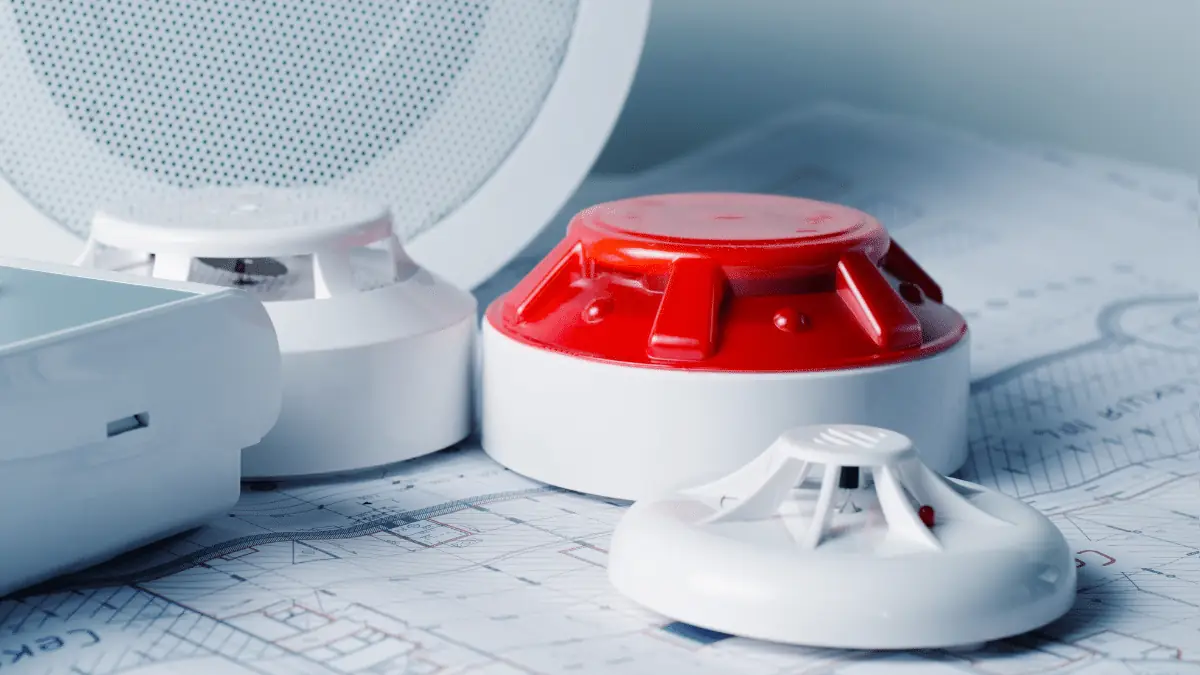
The records that tend to be most useful to keep readily available include:
- Inspection and testing reports for alarms, sprinklers, pumps, and related systems.
- Deficiency and impairment notices, along with documentation showing follow up.
- Service tickets for repairs, replacements, and fire extinguisher service in Denver.
- Permit and review documents tied to recent remodels or tenant improvement fire protection in Denver.
- Certification or related paperwork that the AHJ or fire prevention personnel may request to review.
This is not glamorous work, but it saves time and friction. It also reduces the all too common situation where one missing folder turns an otherwise orderly building into a guessing exercise.
Denver area remodels create risk when communication lags
Some of the most preventable fire safety problems show up during tenant turnover, suite remodels, and phased renovations. That is because construction activity changes the space faster than the building team updates its mental map.
Denver’s tenant finish and alteration permit materials indicate that plumbing, fire suppression, and fire alarm permits can be part of tenant improvement work. Denver code materials also show that fire alarm and sprinkler related work is tied to permit review and inspection during construction and remodeling. For property teams, that means tenant improvement fire protection in Denver is not something to treat as an afterthought or a finish line detail.
A simple office demising wall can affect notification coverage or device placement. A new stockroom layout can affect sprinkler discharge patterns or access. A revised restaurant kitchen can involve suppression work and coordinated review. Even when the technical design is handled by qualified professionals, staff awareness still matters because building personnel are the ones most likely to notice if the field condition does not match what everyone assumed would happen.
One recurring problem in remodels is the quiet drift between “temporary” and “forgotten.” Devices get covered during dust producing work. Areas are placed on test. Portions of systems may be impaired for get details a controlled period. That can all be managed, but only if the people on site understand the status and know when normal protection has been restored. Front office staff, security teams, and building engineers should not learn about a system impairment by surprise after an alarm event.
Fire alarm awareness should go beyond evacuation maps
Most building occupants have seen an exit diagram. Fewer know the difference between alarm, supervisory, and trouble conditions, or understand why that difference affects urgency and response. No one expects every occupant to learn panel language in depth, but key staff should absolutely understand the broad categories.
NFPA 72 is the core standard for fire alarm systems, including installation plus inspection, testing, maintenance, and emergency communications systems. From an operations standpoint, that means a fire alarm system is not a set it and forget it asset. It requires ongoing attention.
In the Denver metro area, fire alarm system maintenance in Denver often becomes visible to occupants only when a device sounds unexpectedly or a technician appears with a clipboard. A stronger approach is to normalize system awareness. If a panel is in trouble, someone should know who was called. If a test is scheduled, the people fielding calls from tenants should know in advance. If a fire alarm panel upgrade in Colorado is planned, building management should communicate clearly about what changes, what remains active during work, and what procedures staff should follow if anything unusual happens.
That communication matters even more in mixed use properties where residential, retail, and office activities overlap. One tenant may treat strobe testing as a nuisance, while another depends on careful notification because of customer traffic or mobility considerations. Smooth response starts with clear internal coordination.
Water based systems need room to work
Sprinklers, standpipes, pumps, tanks, valves, and backflow assemblies all live in the real world, not in neat plan sets. They are exposed to weather, vibration, storage changes, accidental impact, and ordinary wear. NFPA 25 covers inspection, testing, and maintenance of these water based fire protection systems, including sprinkler systems, standpipe systems, fire pumps, and water storage tanks.
For staff, the important lesson is not to memorize the standard. It is to respect the physical environment around the equipment.
A riser room should not become a spare janitorial closet. A control valve should not disappear behind stacked product. If a fire pump room has an unusual noise, leak, or access issue, that deserves attention. If backflow preventer testing in Denver is scheduled, the responsible building contacts should know when it is happening and where the paperwork will end up. If fire pump testing in Colorado is part of the building’s regular maintenance rhythm, operations staff should understand that it is one piece of a broader reliability program, not a random interruption.
This is where the line between technical contractors and building staff becomes productive. The contractor performs the required testing and inspection. The staff protects access, reports visible issues, retains records, and reduces the chance that building use will interfere with the system.
Extinguishers are only useful when people can reach them and trust them
Portable extinguishers are often the most familiar fire safety item in a building, which can make people underestimate them. Familiarity has a way of turning important equipment into background scenery. Then an extinguisher gets hidden behind decorations, blocked by inventory, or left unreported after it has been discharged or tampered with.
Routine fire extinguisher service in Denver is one side of the equation. The other side is occupant awareness. People should know where nearby extinguishers are located, understand that extinguishers must stay visible and accessible, and report anything missing, damaged, or discharged. In many workplaces, that simple reporting habit catches problems long before an inspection would.
It is also worth saying out loud that extinguishers are not the centerpiece of every response. In many situations, evacuation and notification matter more than any attempt to fight a fire. Staff awareness should support the building’s emergency procedures, not encourage unsafe heroics.
How to prepare for the fire marshal without treating it like a one day performance
A fire marshal inspection in Colorado tends to go better when the building operates in a state of ordinary readiness. That means the goal is not to scramble the day before. It is to run the property so that inspection day feels like a normal day with extra visitors.
The practical signs of readiness are pretty consistent. Required areas are accessible. Staff can direct an inspector to the right rooms. Records are available. Known deficiencies have been tracked and addressed or are being managed properly. If a system is impaired or under service, that status is understood and communicated.
Denver’s Fire Prevention Division is authorized to inspect buildings, equipment, and life safety systems, and to investigate disabled or nonfunctioning systems. With that in mind, fire code compliance in Denver should be treated as a day to day management issue, not a once a year panic. The teams that handle inspections best are rarely the teams with zero issues. They are the teams that know what condition their building is in and can show what they are doing about it.
Building culture is the quiet factor behind everything else
The word “culture” can sound soft until you see how much it affects real response. In one building, a security officer reports a damaged pull station right away, engineering follows up, and the record gets filed. In another, the same issue sits for days because the person who noticed it assumed it was not their problem. The equipment may be similar. The outcome is not.
A strong culture around fire protection in the Denver metro does not require grand speeches. It usually comes from routine expectations. Report it. Do not block it. Do not silence or ignore it. Keep the paperwork. Ask before changing the space. Tell the next shift what is going on.
That applies whether the property is owner occupied, multi tenant, public facing, or lightly staffed after hours. It also applies whether service is handled by an in house team, a national vendor, or a local provider. A Denver area fire protection company such as Pre Action Fire, Inc may perform specialized work, but the people inside the building still shape what happens between service visits.
The goal is steadier response, not perfect conditions
No occupied building runs in perfect conditions all the time. Devices age. Spaces change. Tenants remodel. Deficiencies are found. Repairs take coordination. Systems go on test. That is normal. What matters is whether the people responsible for the building recognize those realities and handle them with discipline.
Everyday awareness does not replace commercial fire sprinkler systems in Colorado, or fire alarm system maintenance in Denver, or fire suppression system inspection in Denver. It supports all of them. It helps staff notice abnormalities sooner. It helps contractors and managers communicate better. It helps records stay complete. It reduces confusion during alarms, tests, impairments, and inspections.
And when something truly urgent happens, that foundation pays off fast. The right door is clear. The right call gets made. The right room is unlocked. The right report is easy to find. Those are not flashy wins, but they are the kind that support emergency response when it counts.